It’s been a busy few months for all the working groups! Here are some of their key updates.
Strategy and Objectives Working Group
In April 2021, the Strategy and Objectives working group completed a significant piece of work by finalising the Desired State Document. This month, the group has received ten key recommendations on equity from the Equity Sub-working group.
These include integrating equity-centric Principles, Practices and Priorities across GPSNR’s procedures and work programs and recommending member companies to do the same. You can find all the recommendations here.
These recommendations go beyond the work of the group itself and cover the role of equity in most GPSNR interventions.
Proforest with Liza Murphy have also submitted the second draft of the Environmental Risk Assessment of Natural Rubber Production and Production and Processing to the group.
Smallholder Representation Working Group
Since August 2020, the smallholder onboarding process has been integrating smallholders into GPSNR’s structures and functions. This month, the smallholder working group conducted a r satisfaction survey for the 28 smallholders within GPSNR to assess the successes and challenges of the smallholder onboarding process.
Of the 28 smallholders at GPSNR, 16 responded to the survey. While structural issues like the digital divide, access to technology and language barriers are causes for concern in smallholder engagement, the survey results were encouraging.
15 out of 16 smallholders responded positively on being asked if they better understood GPSNR’s aims after the onboarding process. They also offered plenty of constructive feedback to improve the onboarding experience for future members. These include improving communications and information sharing, clearer rules and organisational goals, and ways to enhance smallholder engagement on the platform. However, the information that remains unclear for a majority of the respondents centers around the rules of membership and goals of the smallholder representation working group. These will be addressed in the new onboarding programmes that the working group is developing.
The group has also reached out to Thai farmer associations to recruit new members from Thailand, and is also preparing for a workshop to recruit smallholders in Cambodia. At the same time, the group continues to seek responses from the smallholders who haven’t yet completed the survey.
Policy Toolbox Working Group
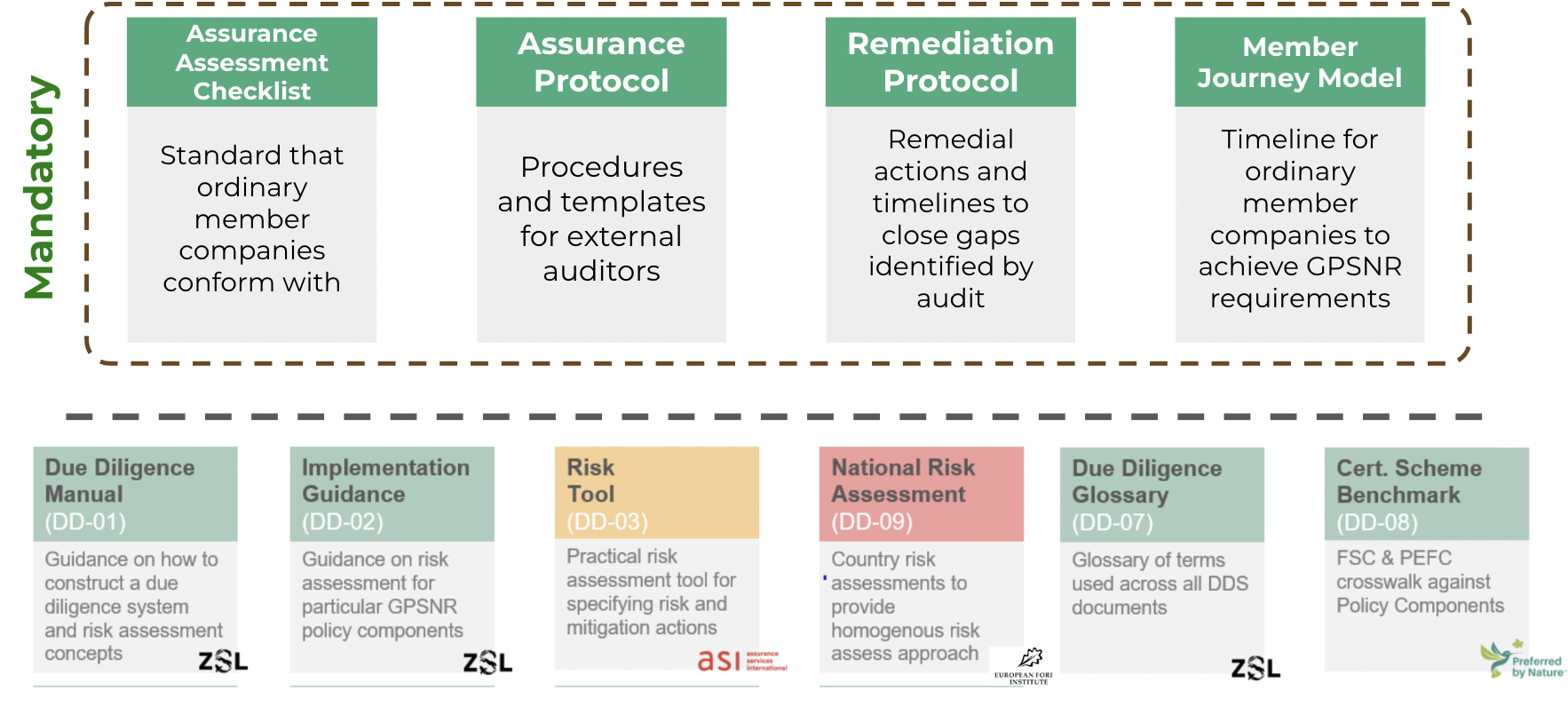
After receiving some strong proposals for the development of guidance for the Compliance Panel operations, the Policy Toolbox working group is now reviewing these and will have a finalist in the coming few weeks.
For context, GPSNR Statutes mandate the creation of an independent Compliance Panel to ensure that members conform with Statutes, Code of Conduct, decisions, standards and processes, and make recommendations to the GPSNR Executive Committee.
After an extensive selection process, the group has also chosen ZSL to work on the Reporting Requirements development as they have significant experience in similar projects. Simultaneously, they have completed the first round of focus group calls and surveys for the development of the implementation guidance.
Capacity Building Working Group
After presenting a funding mechanism of capacity building projects to the Executive Committee earlier this month, the Funding Taskforce in the Capacity Building working group has finalised the process and will be broadcasting it to all members in July 2021.
This funding mechanism is a temporary measure which will support GPSNR’s capacity building initiatives while the larger funding model is finalised.
At the same time, the Good Agricultural Practices (GAP) taskforce has finalised GPSNR’s GAP principles.
Traceability and Transparency Working Group
The group has put together a draft input on the Implementation Guidance from a traceability perspective this month.
After conducting discussions on traceability and data requirements for GPSNR, this is also developing data collection and reporting standards together with the Policy Toolbox working group.
Shared Responsibility Working Group
Having finalised the Implementation Framework for Shared Responsibility, the group has finalised a first round discussion of the problem statements for the natural rubber supply chain.
This has allowed the group to identify the causal pathways and root causes of the issues affecting shared responsibility investment, supply chain data transparency and reinforcing sustainable supply chains (key focus areas for the group). With this step completed, the group is now looking at proposing solutions for these issues that GPSNR can implement. This first draft of solutions will be soon shared with the different categories members for an initial informal consultation.